
Best Kitchen Flooring Orlando FL: Durable Options for Every Budget
Orlando homeowners replace kitchen flooring 40% more often than the national average due to humidity, moisture, and salt-air corrosion. Choosing the right material can extend that timeline by 10+ years and save thousands in callbacks. With Orlando averaging 73% annual humidity year-round, your kitchen floor faces unique challenges that standard flooring materials can't handle without proper preparation and moisture-resistant features.
Kitchen Flooring Challenges in Orlando's Climate
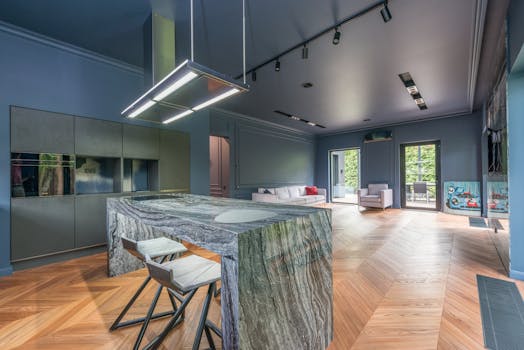
Orlando's high humidity creates problems that make generic flooring advice useless. Standard hardwood floors cup and warp within 18 months when exposed to kitchen moisture. Basic laminate delaminates at the seams, creating gaps and potential mold growth underneath.
Ready to get started? Contact American Kitchens, Inc. to schedule your consultation.
The real challenge isn't just surface spills—it's ambient moisture that penetrates subfloors, causes adhesive failure, and creates conditions for mold. Florida Building Code requires vapor barriers in many installations, adding complexity and cost to projects. Smart material selection addresses moisture issues upfront rather than fighting them for years.
Any kitchen flooring choice must prioritize waterproof cores, mold-resistant finishes, and installation methods that account for seasonal expansion. Pretty materials that can't handle humidity become expensive mistakes within two years.
Best Budget-Friendly Option: Waterproof Luxury Vinyl Plank (LVP)

Waterproof luxury vinyl plank offers the best value for Orlando kitchens, typically costing $4–8 per square foot installed with 15–20 year lifespans. The key distinction is "waterproof core" versus standard vinyl. Waterproof versions use rigid polymer cores that won't swell, warp, or delaminate in high-humidity conditions.
Quality waterproof LVP brands like CoreTec and Rigid Core feature 8mm+ thick planks with attached underlayment, eliminating moisture penetration issues that plague cheaper vinyl options. These materials handle spills, humidity, and temperature fluctuations without visible damage or dimensional changes.
Professional installation ensures proper acclimation and floating installation techniques that allow for seasonal movement. DIY installation saves $2–3 per square foot in labor but requires careful subfloor preparation and moisture testing. Most Orlando kitchens benefit from professional installation due to complex layouts around islands and appliances.
For a 150-square-foot kitchen, total installed cost typically runs $600–1,200 for quality waterproof LVP, including old flooring removal and basic subfloor prep.
Best for Resale & Longevity: Porcelain Tile & Sealed Concrete

Porcelain tile remains the premium choice for Orlando kitchens, with 25+ year lifespans and strong resale value. Homes with tile kitchens typically sell 8–12% faster in the Orlando market. However, tile requires professional installation and proper grout sealing to justify the $8–15 per square foot installed cost.
Quality porcelain tile installation includes waterproof membrane systems and epoxy grout that resists moisture penetration. The grout requires resealing every 12–18 months in Orlando's humidity, adding $200–400 in annual maintenance costs that many homeowners overlook when budgeting.
Polished Concrete: The Underutilized Option
Sealed concrete floors sidestep moisture issues entirely while delivering industrial-modern aesthetics that complement contemporary kitchen design trends. Professional concrete polishing costs $6–12 per square foot installed, depending on decorative finishes and sealing systems.
Epoxy or polyurethane sealants create completely waterproof surfaces that require resealing every 2–3 years. This option works particularly well for open-concept homes where kitchen flooring flows into living areas.
What to Budget for Beyond Flooring Materials
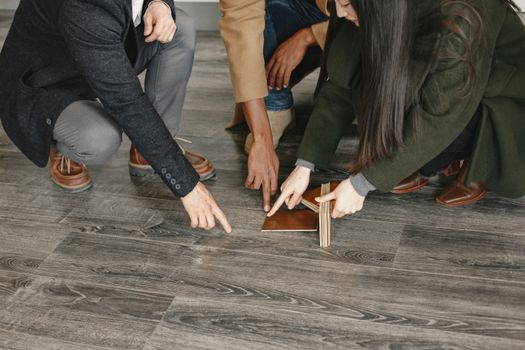
Installation costs vary by 30–50% in Orlando depending on subfloor conditions and removal requirements. A typical kitchen flooring project includes material costs (40–50% of budget), labor (35–40%), and contingency for unexpected issues (10–15%). For a 150-square-foot kitchen, total project costs typically range:
- Waterproof LVP: $900–1,800 total
- Porcelain tile: $1,800–3,000 total
- Sealed concrete: $1,500–2,500 total
Hidden Costs and Subfloor Issues
Orlando kitchen remodels frequently uncover moisture damage, mold, or outdated subfloors that require remediation before new flooring installation. Common hidden costs include:
- Mold remediation: $500–2,000 depending on scope
- Subfloor replacement: $3–8 per square foot
- Moisture barrier installation: $1–2 per square foot
- Code compliance upgrades: $200–800
Getting detailed written scopes from contractors prevents surprise bills. Quality contractors include allowances for minor subfloor repairs and clearly outline what triggers additional charges. When planning a kitchen remodel, flooring decisions should coordinate with cabinet and countertop selections to ensure proper installation sequences.
Choosing the Right Flooring for Your Orlando Kitchen
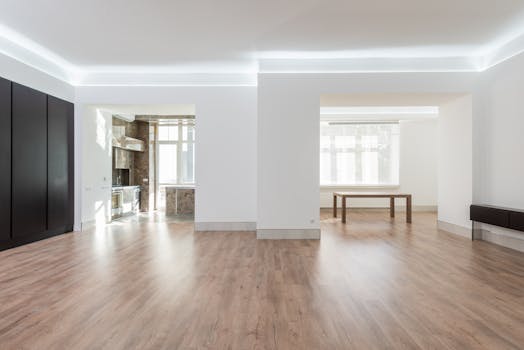
The best kitchen flooring choice balances moisture resistance, budget, and lifestyle needs. Waterproof LVP delivers excellent value for most homeowners, while tile and concrete provide premium durability for those prioritizing longevity and resale value. Factor in Orlando's humidity challenges from the start—reactive fixes cost more than proactive material selection.
American Kitchens, Inc. evaluates subfloor conditions, moisture levels, and installation requirements before recommending specific materials. Our team provides detailed scopes that account for hidden costs and ensure proper installation for Orlando's unique climate conditions.
Frequently Asked Questions

How long do different kitchen flooring materials last in Orlando's humidity?
Waterproof luxury vinyl plank typically lasts 15–20 years, porcelain tile lasts 25+ years with proper maintenance, and sealed concrete can last 30+ years. Standard hardwood and basic laminate often fail within 3–5 years due to moisture damage.
What's the most cost-effective flooring that won't fail in Orlando kitchens?
Waterproof luxury vinyl plank with rigid polymer cores offers the best balance of durability and affordability, costing $4–8 per square foot installed while resisting humidity-related damage that plagues cheaper alternatives.
Do I need special underlayment or moisture barriers for Orlando kitchen floors?
Most quality waterproof LVP includes attached underlayment, while tile installations typically require waterproof membrane systems. American Kitchens, Inc. evaluates subfloor moisture conditions and recommends appropriate barrier systems based on your specific situation.
How should I compare contractor quotes for kitchen flooring projects?
Request itemized quotes that separate material costs, labor, removal, subfloor prep, and potential additional charges. Ensure all quotes include the same scope of work and ask about allowances for minor subfloor repairs or moisture remediation.
Related reading:
- Best Kitchen Cabinets Orlando FL: Quality & Honest Pricing
- Small Kitchen Remodel Ideas Orlando: Budget-Friendly Designs
- Modern Kitchen Design Trends Orlando: 2026 Updates for Homeowners
Schedule your appointment with American Kitchens, Inc.. Visit our website or contact us directly.